
Energy volatility isn’t new, but energy resilience is NOW (+ possible)
by Damian Baker, Founder + Chairman RenEnergy UK Ltd

Energy volatility is not new
As RenEnergy approaches its 20th year in the renewable energy sector, I look back and realise that almost the entire period has been defined by fluctuating energy prices, supply uncertainty, and changing policy landscapes. What is different today is not the volatility. What is different is that businesses now have far more tools available to manage their exposure.
We find ourselves in what feels like the second major energy shock in four years. Just as businesses began to feel comfortable with energy prices stabilising, geopolitical events have once again reminded us how fragile global energy markets can be. But if there is one thing the last two decades in the renewable sector has taught us, it is this:
A balanced energy strategy
The future of energy resilience must be based on a balanced and pragmatic approach. Despite rapid progress in renewables, the reality is that oil and gas will continue to play an important role in the UK's energy mix for the medium to long term. In our climate and current technological landscape, there are still gaps that fossil fuels help fill. However, the key question for businesses is not whether fossil fuels disappear tomorrow, the question is; “How much exposure do you want to have to global energy markets?” And that is where distributed renewable energy can make a profound difference.
Reducing energy exposure
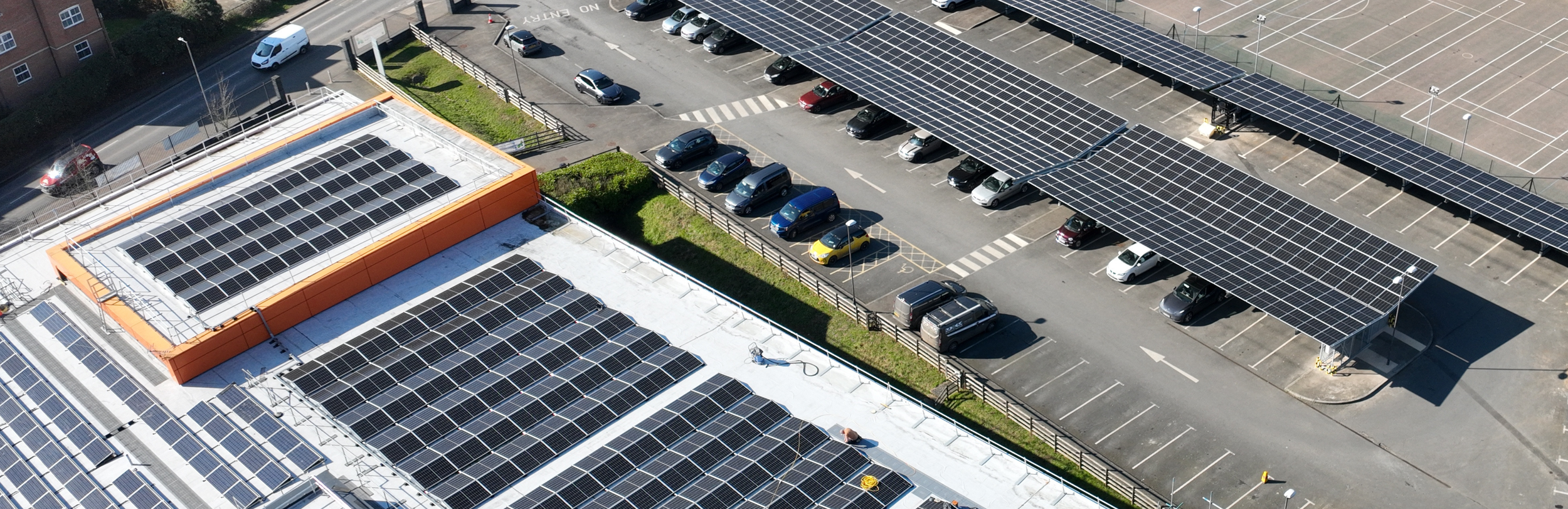
Through the deployment of solar PV and battery storage, we are already seeing case studies where businesses can replace over 50% of their energy consumption with on-site generation. This is not just about sustainability; it is about energy resilience and financial predictability.
Reducing exposure to external energy markets allows businesses to:
Stabilise energy costs
Reduce operational risk
Plan with greater confidence for the future
Protect themselves from geopolitical volatility
In an increasingly uncertain world, control over energy supply becomes a strategic advantage and the economics of solar has never been stronger. One of the biggest changes over the last decade is the economics of solar power. The levelised cost of energy from rooftop solar systems today typically falls between:
3–5p per kWh for rooftop solar
5–8p per kWh for solar carports
Those numbers are calculated over the lifetime of the system, which typically exceeds 25 years. When those numbers are compared with grid electricity prices, which continue to be volatile and exposed due to the global gas markets, the long-term value of solar pv becomes clear.
Only positives to adding battery storage
Opportunities only increase when battery storage is added to the equation, they allow businesses to:
Store excess solar generation
Optimise energy use across the day
Take advantage of energy arbitrage opportunities
Prepare for future electrification such as EV fleets

Experience matters in an evolving sector
The renewable energy sector has grown rapidly, with many new entrants appearing over the past decade. While innovation is welcome, experience remains critically important and with 20 years of installations and asset management experience, RenEnergy has the advantage of having monitored and maintained systems over long periods. This provides valuable insight into:
Long-term system performance
Real operational challenges
Asset management strategies
Designing systems that perform reliably over decades
That experience helps ensure that systems are not just installed but designed properly for the long term.
The future is diversified energy portfolios
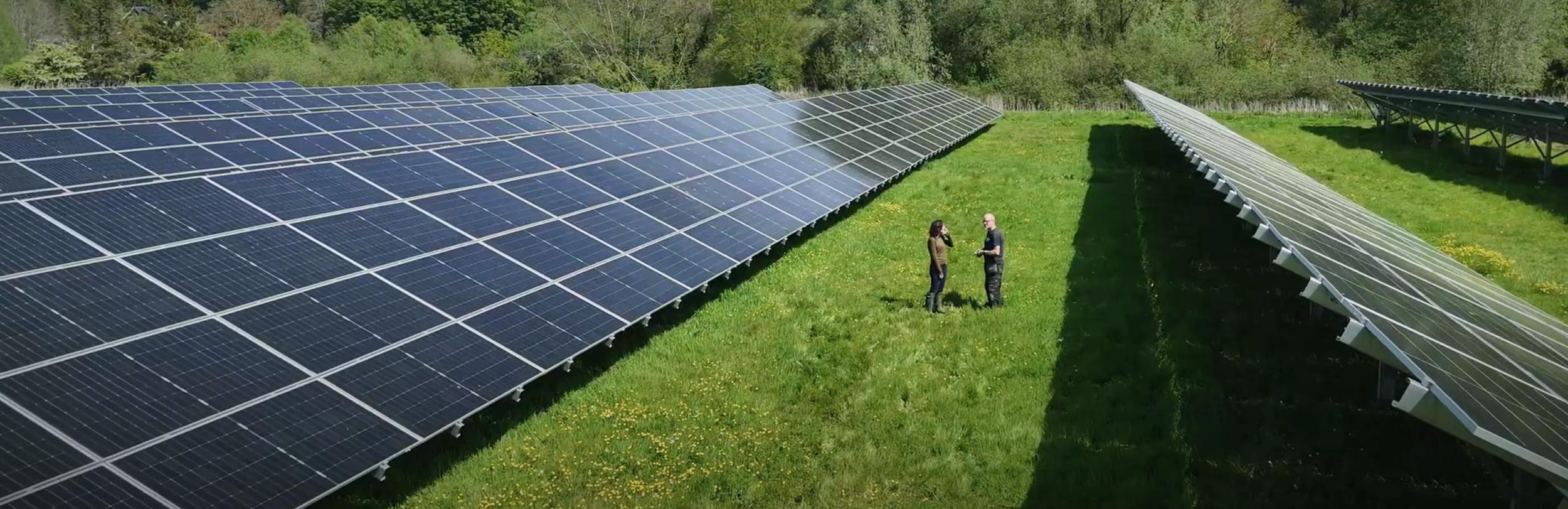
Predicting the future of energy prices is impossible. History tells us that prices tend to fall during periods of geopolitical stability and rise sharply during global conflict or supply disruption, but one trend is clear the transition toward electrification and decarbonisation is accelerating fast, which means renewable energy will play an increasingly central role in the energy system. For businesses, the strategic response should not be all-or-nothing, instead, the future lies in energy diversification. Most businesses will always rely on some grid electricity, but the more energy that can be produced and managed on site, the greater the resilience.
Understand your energy
Every effective energy strategy begins with data, before recommending solutions, our consultancy team focuses on understanding:
Energy demand profiles
Current and future energy costs
Operational changes in the business
Electrification plans such as EV fleets
Only then can the right combination of solar, batteries, and energy management be designed.
How diversified is your energy supply, a strategic opportunity
Recent geopolitical events in the Middle East and the Ukraine have once again highlighted the fragility of global energy systems. For businesses, governments, and individuals alike, this moment should prompt an important question How diversified is your energy supply? Producing energy on site will not eliminate the need for the grid, but the more energy you control locally the less exposed you are to global volatility. In today's world that resilience is becoming one of the most valuable assets a business can have.

Damian Baker, Founder + Chairman RenEnergy UK Ltd