
Is the UK falling behind in the global green race?

Damian Baker, Founder + Chairman of RenEnergy UK Ltd reacts to 2025 Winter Budget.
The UK has long been recognised as a leader in green technology innovation and adoption. However signals from the 2025 Autumn Budget suggest that momentum may be faltering just as international competition intensifies. Damian Baker, Founder + Chairman of RenEnergy UK Ltd, explains why small setbacks today could have big consequences for businesses, consumers, and the nation’s energy future.
Tiny taxes could slow progress
In 2025, 473,340 new electric vehicles (EVs) were registered (a market share of 23.4%[1]). While this growth in EV adoption should be applauded, new registrations remain 4.6% below the government’s target of 28%. Momentum in the EV market is fragile.
The 3p-per-mile charge on EVs may seem minor but it sends a bigger signal just as the market is growing. Confidence drives adoption, and even small charges can slow uptake just when it matters most. In 2026, the target for EV registrations is 33%. For an industry central to reaching net zero, every step backward affects long-term progress.

Battery energy storage can be installed alongside solar PV or retrofitted into an existing solution, and works very well with solar carports.
Missed opportunities for investment
This Budget was a chance to show how smart, targeted investments could deliver cheaper, more reliable energy, reduce reliance on imports, and create skilled jobs. Instead, opportunities are being missed. Businesses and consumers are left in uncertainty, and ambition is difficult to see.
Consumers are also feeling the impact of rising costs, while limited support for clean technologies make it harder for families to invest in greener homes or switch to electric vehicles. Confidence matters. When people hesitate, adoption slows, and progress is delayed.
Global competitors are moving faster
The global race for clean energy is intensifying. Germany, France, Norway, and China are investing strategically, aligning fiscal policy with industrial strategy, and encouraging innovation. They are lowering barriers, speeding up adoption, and showing that the energy transition can drive job creation, bolster economic growth, and attract investment.
The UK risks falling behind. While other nations accelerate, it is easy to lose the competitive edge. The cost of slowing down is high, not only for the environment but also for the economy.
The benefits of bold action
The green transition is a win-win-win for jobs, economic growth, and consumer choice. To achieve our targets, we need over 2.7 million skilled jobs in the green economy, while for every £1 of value generated by the net zero economy, an additional £1.89 is created in the wider economy. This transition has the potential to become a source of lasting national advantage. However, progress risks stalling if policy remains fragmented or overly cautious. Missed opportunities today can translate into lost growth, skills shortages, and reduced competitiveness tomorrow.
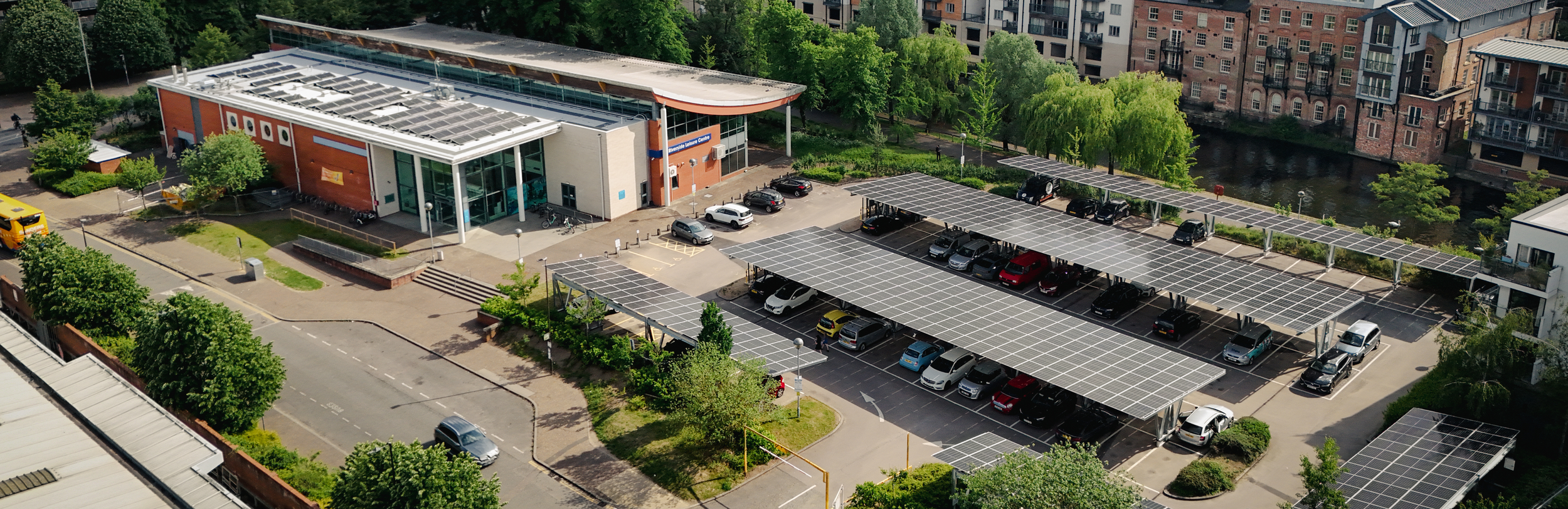
By turning previously unused roof and car park space into productive energy assets, Riverside Leisure Centre is not only reducing costs but setting an example for other public institutions.
The time to act is now
Delivering net zero, strengthening energy security, and maintaining global competitiveness all depend on clear and ambitious policy direction. Incentives that encourage technology adoption, sustained investment in infrastructure, and the development of a skilled workforce are essential to unlocking private capital and consumer confidence.
The opportunity to build a cleaner, stronger, and more resilient energy system remains within reach. Without decisive action, however, the UK risks falling behind while others continue to move forward. Clear policy, delivered with ambition and consistency, will determine whether the UK leads the green transition or watches it from the sidelines.
[1] Electric car discounts are unsustainable, warns industry group - BBC News